English
 Quốc Ngữ
 Bahasa Indonesia
 Português
 Bahasa Melayu
 Amharic
 urdu
urdu
 हिन्दी或हिंदी


As the Northern Hemisphere experiences another wave of extreme summer heat, pressure on power systems is becoming increasingly visible. From grid reliability concerns in California to transmission capacity challenges across Europe, discussions around energy security often focus on generation resources, renewable integration, and demand management. However, the reliability of the transmission network depends on more than just power supply—it also relies on thousands of small but critical components that keep the grid physically connected.
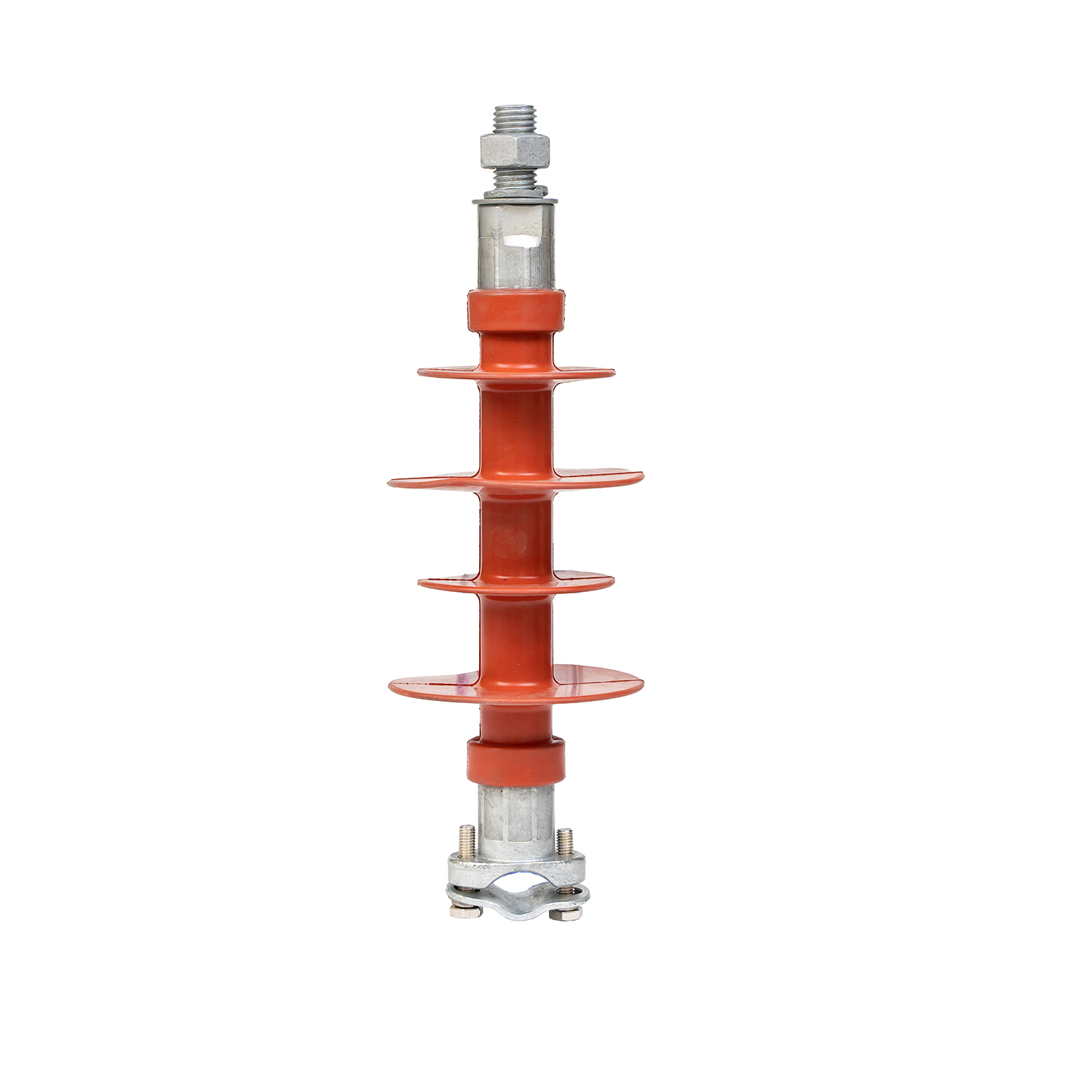
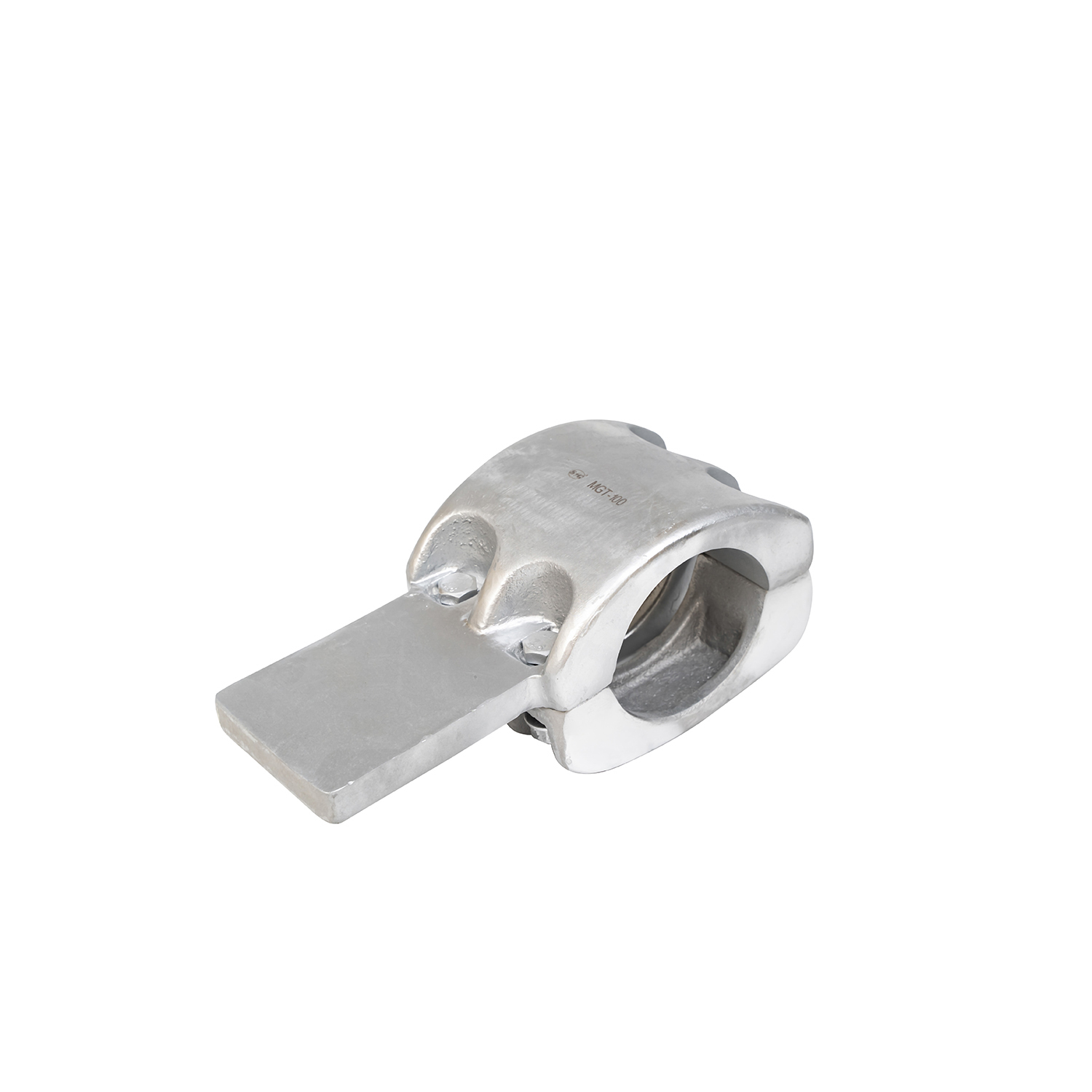
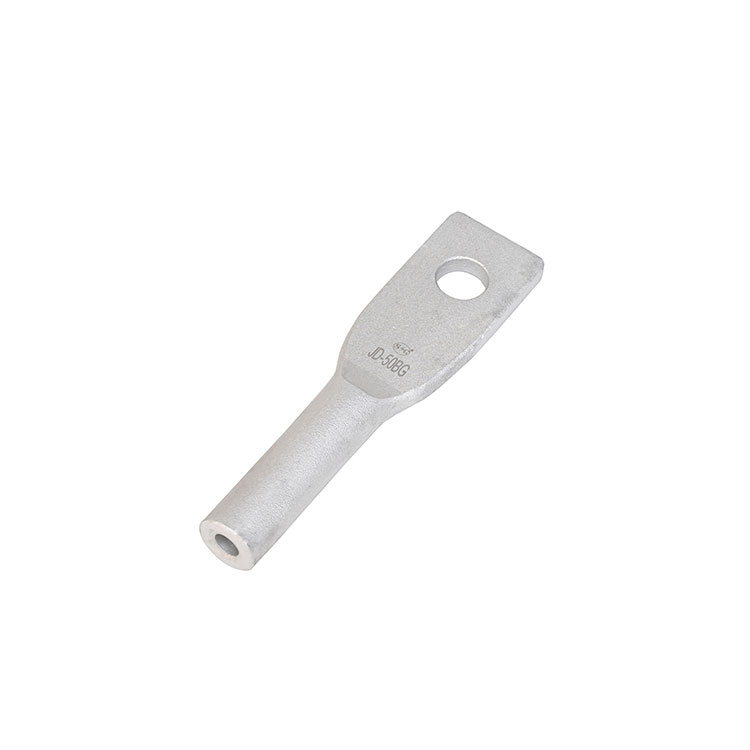
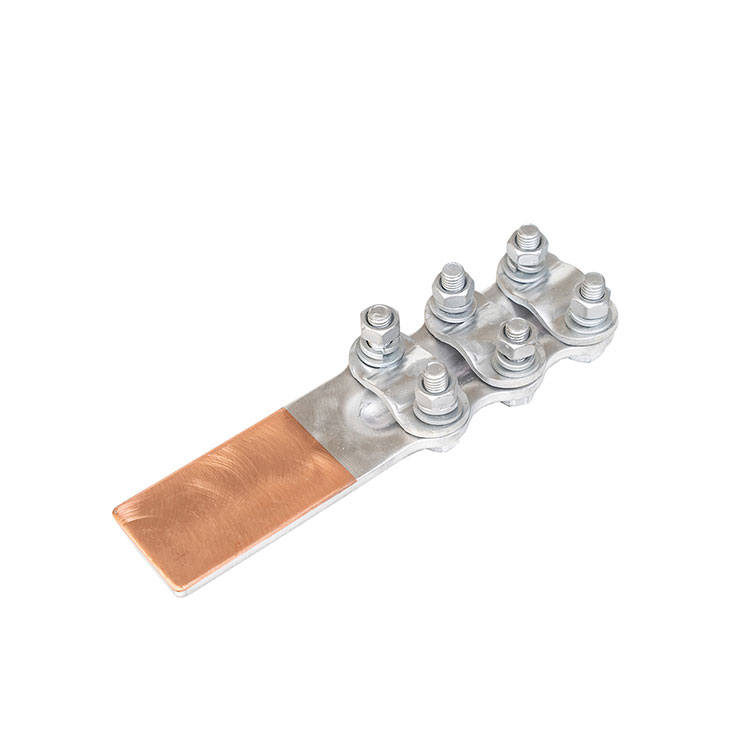
Among these components, transmission line fittings and connection hardware are receiving growing attention from utility operators and infrastructure planners. Products such as PH-type extension links may appear insignificant compared with large-scale assets like substations and transmission towers, but they play an essential role in maintaining the mechanical stability of overhead power lines.
Installed within suspension and tension insulator assemblies, these galvanized steel fittings serve as key connection points between transmission structures, insulator strings, and conductors. Their ability to withstand mechanical loads, environmental exposure, and long-term operational stress directly affects the reliability of transmission infrastructure.
As extreme weather events become more frequent, utilities are placing greater emphasis on the durability and quality consistency of these components. Strong winds, heavy ice accumulation, temperature fluctuations, and other environmental stresses can place additional mechanical pressure on transmission systems. As a result, many operators are reviewing older grid assets and considering upgrades to higher-strength materials and more reliable connection solutions as part of broader grid resilience programs.
This shift reflects a broader change in utility procurement strategies. Instead of focusing solely on initial purchase costs, engineering teams are paying closer attention to material performance, manufacturing standards, corrosion protection, and long-term service reliability. Components that were once viewed as routine hardware are now recognized as important elements in preventing unexpected failures and reducing maintenance risks.
The growing demand for upgraded transmission fittings is not limited to new infrastructure projects. Many utilities are also investing in the modernization and reinforcement of existing networks, replacing aging components to improve system resilience against increasingly challenging operating conditions.
Advanced forecasting tools, digital monitoring systems, and artificial intelligence are helping utilities better predict potential grid issues. However, preventing failures ultimately depends on the physical strength and reliability of the equipment installed throughout the network. In the modern power grid, even a small steel connection component can play a crucial role in keeping electricity flowing safely and continuously.